
Insights
Thoughtful, evidence-based perspectives on autism, ADHD, neurodiversity, trauma, and psychological evaluation — written by Dr. Lindsay Campbell.
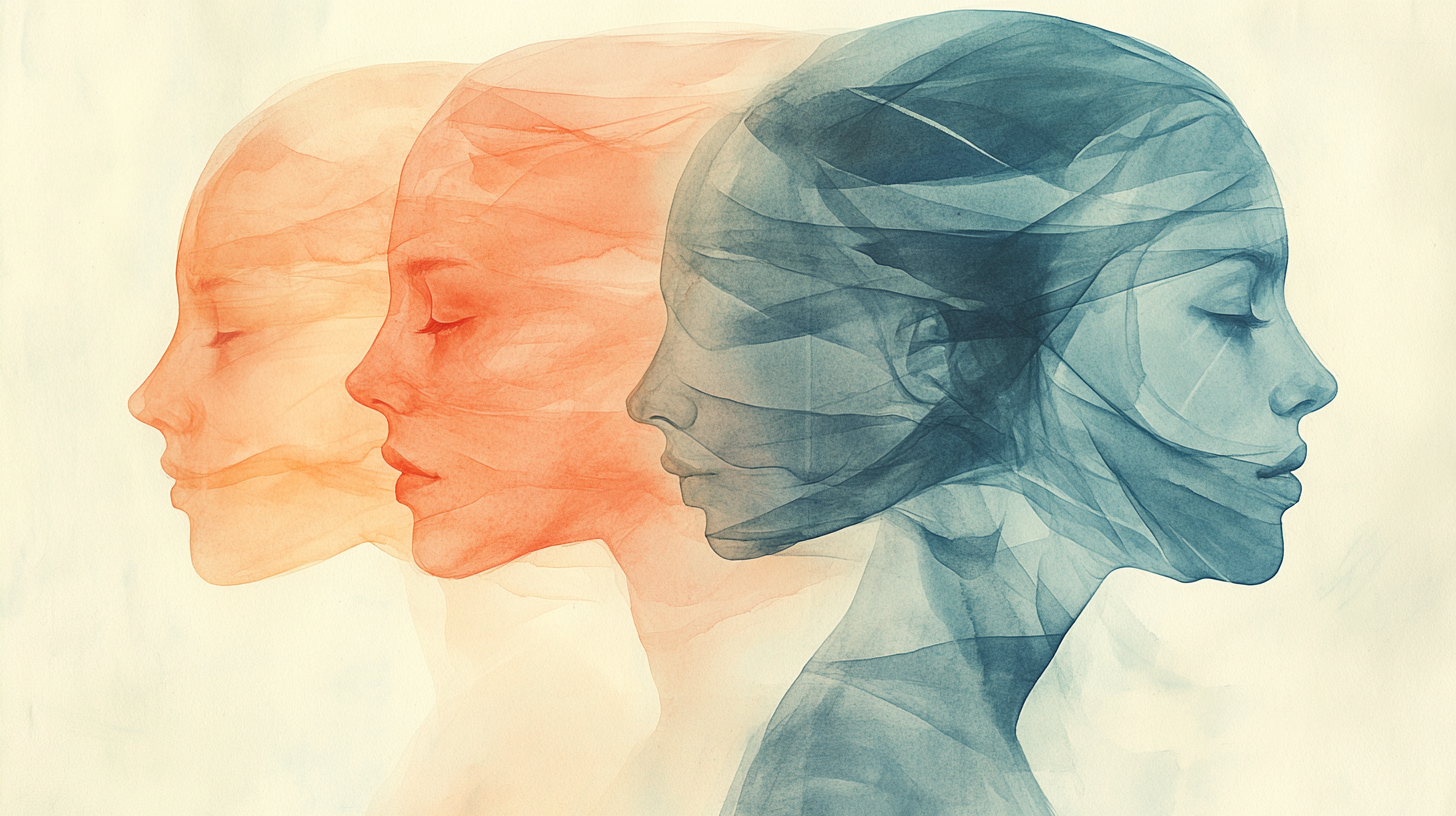
What Is Masking — and What Does It Cost?
Masking - Masking is the performance of neurotypicality — an ongoing, exhausting act that can be so effective that even clinicians miss the autism underneath. Understanding it changes everything about diagnosis and support.

AuDHD: When Autism and ADHD Coexist
AuDHD - Autism and ADHD were once considered mutually exclusive. Now we know they co-occur far more often than anyone expected — and when both are present, the experience is its own thing entirely.

There's No Cookie-Cutter Brain: Why Individualized Care Changes Everything
Individualized Care If you've ever felt like a treatment plan was written for someone else — like the recommendations were technically correct but somehow missed who you actually are — you're not imagining it.
Why a Behavior Analyst Might Be the Key to Understanding Your Child
Behavior Analyst Most parents have heard of psychologists. Fewer have heard of board-certified behavior analysts — but the behavioral lens a BCBA brings to the table can be the missing piece in truly understanding your child.

Complex PTSD vs. PTSD: Understanding the Difference
Complex PTSD vs. PTSD PTSD and complex PTSD share a name and some symptoms, but they are not the same thing — and the difference shapes everything from how you understand your experience to which treatment will actually help.

What to Expect During a Neuropsychological Evaluation
If you've never been through a neuropsychological evaluation, the process can feel intimidating. A psychologist who conducts them every week walks you through every step — so you know exactly what to expect before you walk through the door.

ADHD in Women: Why It's So Often Missed
ADHD in women doesn't look like the stereotype. It's not bouncing off the walls — it's a thousand open browser tabs, a pile of half-finished projects, and the constant feeling that you're working twice as hard as everyone else just to keep up. Here's what women need to know.

You Got the Diagnosis — Now What?
The evaluation is done. The word is on paper: autism. Maybe you're holding this diagnosis for yourself. Maybe you're holding it for your child. Either way, here's a psychologist's guide to what comes next — practically and emotionally.

Late-Diagnosed Autism: What It Means and Why It Matters
A growing number of adults are discovering they're autistic in their thirties, forties, and beyond. This isn't because autism is a trend — it's because our understanding of what autism looks like has fundamentally evolved. Here's what late diagnosis means and why it matters.

I Think My Child Might Be Autistic. What Should I Do?
Maybe it started with a comment from a teacher. Maybe it's just a feeling — something quiet and persistent — that your child experiences the world differently. If that sounds familiar, here's what a psychologist who specializes in autism evaluations wants you to know.